
American Film at Mid-Century
The Film Club Commissioner's Administrative Manifesto

Many of my friends in Los Angeles went to the same midwestern Catholic university that I did. One of that institution’s better features was the heavy emphasis on seminars in its core curriculum. We all got used to sitting in a circle and discussing a text for an hour. When you’re graded on participation, you have no choice but to show up having engaged with the material, your hot takes on deck.
Maybe this shared experience is part of why my friends and I have our famous and wonderful Film Club. We are recreating the discussion-based class environment on our own terms: about movies.
This month I was honored with the Film Club commissionership (thank you Erin). I decided to give my citizens three movies to choose from, with the theme of mid-century American film. In a textbook display of unemployed behavior, I went down a research rabbit hole / caffeine-fueled thought spiral with each of them, so I figured I would write up and expand my notes for this publication.
Because, as Uncle Rico once said, you might as well do somethin’ while you’re doin’ nothin’!
The Hays Code
One of the most salient facts of American film history is the Motion Picture Production Code, or Hays Code — the system of censorship implemented in studios from 1934 to 1968. It limited what could be shown in ways you’d expect (no sex, drugs, violence) but also restricted what ideas could be explored via “moral guidelines”, hampering nuanced exploration of human behavior and all but eliminating criticism of religious institutions.
It’s hard to exaggerate the Hays Code’s impact on American thought and imagination, especially during the tenure of hardline Catholic enforcer Joseph Breen (1934-1954). There’s a quote that I hit over and over again when I research Breen, published in a 1936 magazine, that describes him as having “more influence in standardizing world thinking than Mussolini, Hitler, or Stalin”.1
One of my theories-of-everything is that the Hays Code set the United States back culturally about thirty years, and we never fully recovered. The more I learn about the history of the era, the less crazy that idea seems.
Great films still got made during the Hays era, some of the best of all time. The actual enforcement of the code was case-by-case and often porous. Smart filmmakers could work around and under the guidelines, and occasionally straight up get away with stuff right under the noses of the less-smart censors. And restrictions inspire creativity: it’s not surprising that the film noir, with its obscuring shadows and double speak, flourished at this time.
This is the main lens that I take when looking at mid-century American films: to what degree and how do they get their ideas across against the censorship? For my film club picks, I chose three of my favorite films that pushed boundaries in notable ways.
Rope (1948)
Rope’s notoriety is obscured by Hitchcock’s later, more famous American work: Dial M for Murder (1954), Rear Window (1955), Vertigo (1957), and North By Northwest (1959). Still mainly known for what amounts to a cinematic experiment, Rope is filmed in continuous takes of about ten minutes, as long as reel capacity allowed. The transitions are pretty easy to spot, often obscured by a brief push into an actor’s back. The effect of this is a rough simulation of real-time action, in line with the story’s stage-play source material of the same title.
The experimental emphasis kind of buries the lede: what makes Rope remarkable is its near-explicit centering of a gay couple.
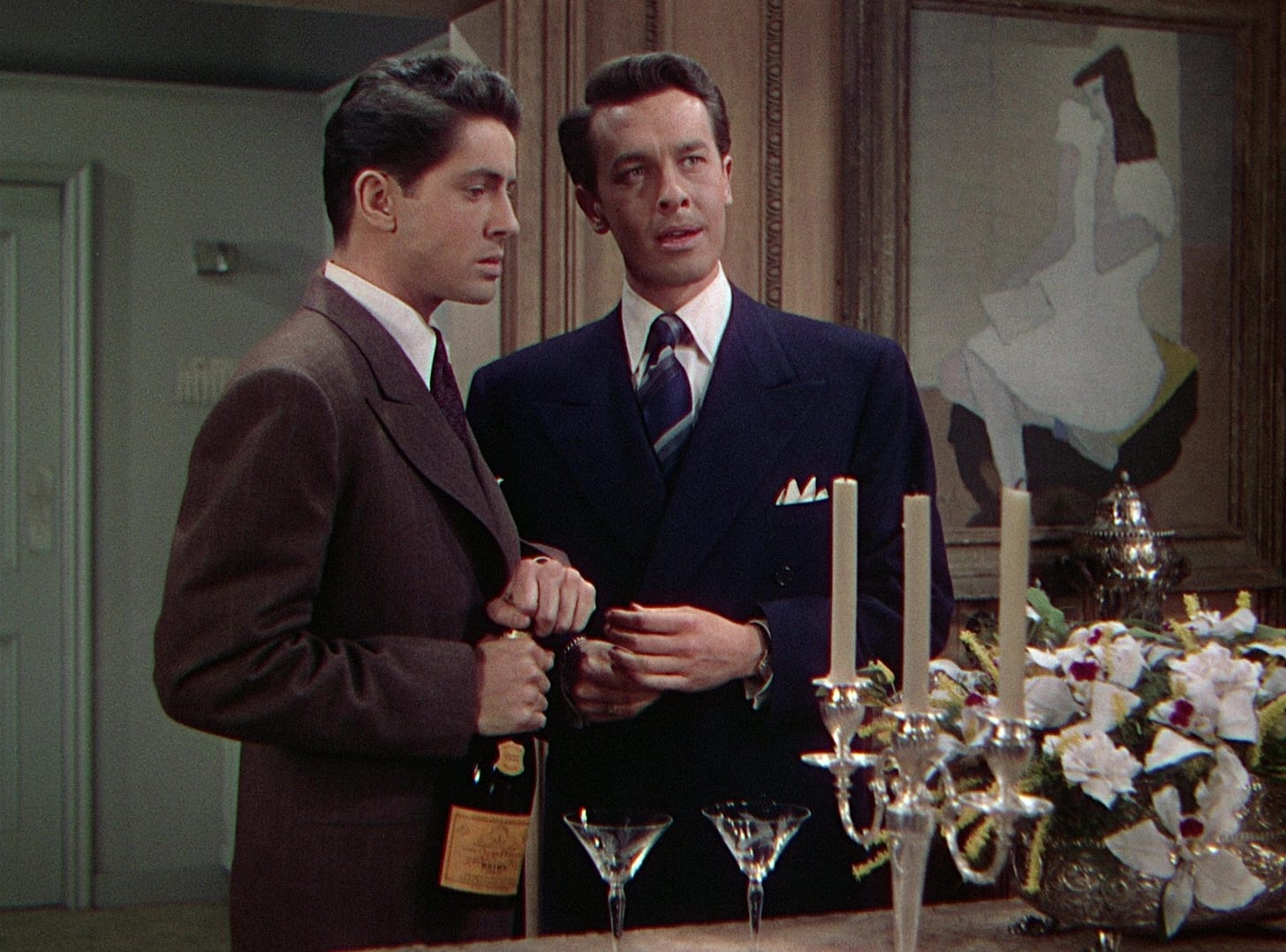
They don’t ever kiss or say that they’re lovers, but the nature of the relationship would have been easily legible to audiences at the time, because even straight couples were under significant expressive restrictions onscreen.2 Brandon (John Dall) and Phillip (Farley Granger) are constantly in two-shots, speaking intimately, unambiguously presented with the behavioral and visual grammar of a romantic pairing. Besides that, Rope’s source material was even more explicit. It was so well-known that the story was about “it” that Montgomery Clift steered clear of the project for fear of outing himself.
These gay men happen to be murderers. Brandon and Phillip strangle their friend David in the film’s opening moments and hide him in a chest that they proceed to serve dinner off of. Later, their former school mentor Rupert Cadell (James Stewart) joins the party. Back in their school days, Rupert initiated Brandon and Phillip into a philosophy that rationally justifies killing inferiors.
For my money, this is James Stewart’s career-best performance. With his ambiguous sexuality and shakily held ethical theories, I think he has more interesting layers to play in this single party than in the entire plot of Vertigo.
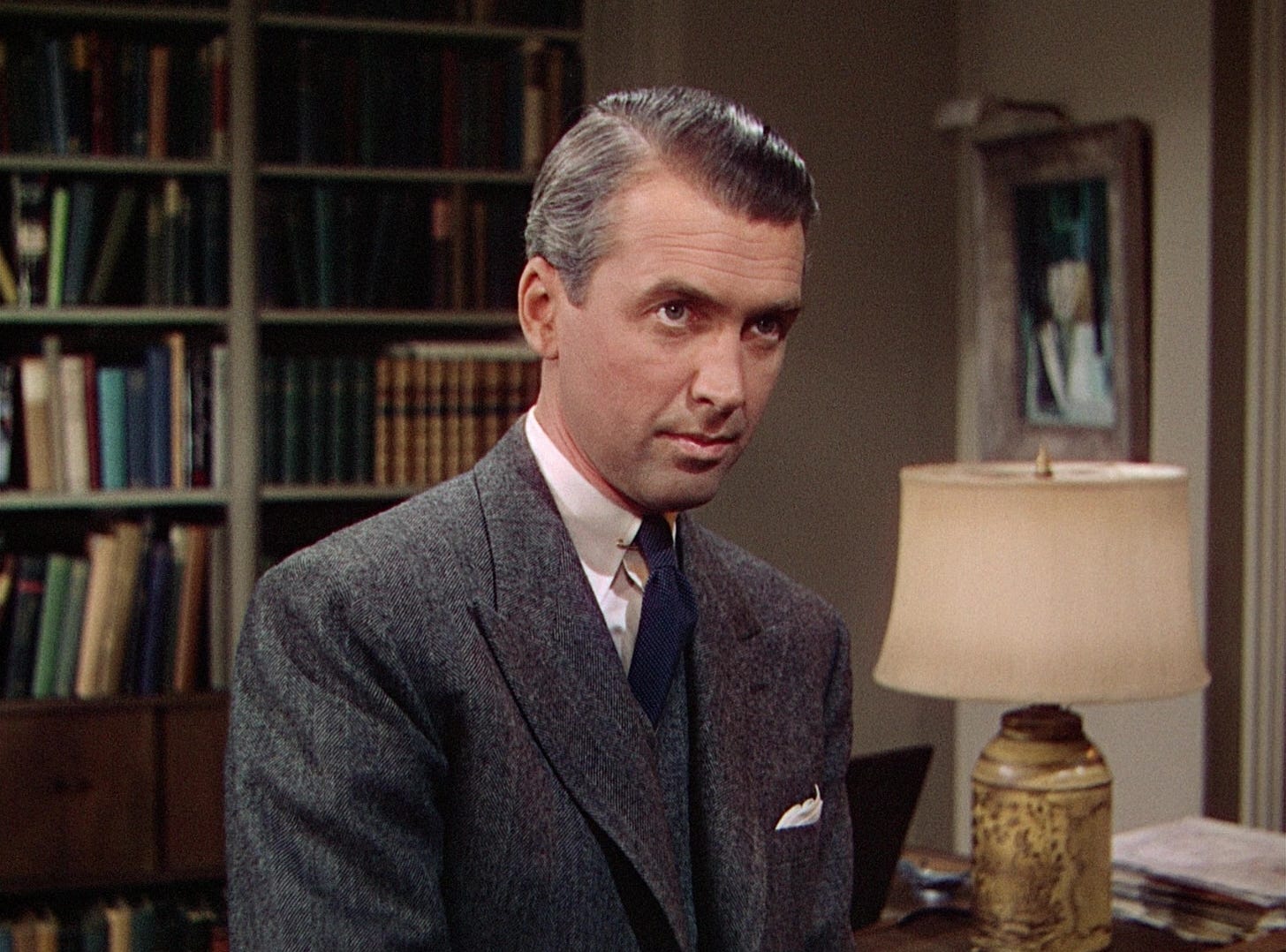
I was blown away on my most recent watch by the slow build of dread in the film’s energy, as Stewart and the entire supporting cast slowly realize that they are not having a normal day. The only real feeling of discontinuity happens in the film’s ending, when Stewart’s character abruptly negates his radical ideas in order to bring about the necessary Code-approved moment of justice.
Rope’s frank examination of the murderous fascist psyche is nearly as impressive an allowance under Breen’s Hays Code as its socially integrated gay couple. My thinking is that these two threads essentially cancelled each other out: it was ok to talk about killing because gay men were doing it, and it was ok to present gay men onscreen because they were killers, and would ultimately be punished. The thematic content of the film allowed for its queerness, and its queerness in turn allowed for its thematic content.
Central to Brandon’s pro-murder pitch is the framing of killing as a good substitute for artistic endeavor:
“I’ve always wished for more artistic talent. Well, murder can be art too. The power to kill can be just as satisfying as the power to create.”
Ok, talk about the democratization of art!
For obvious reasons, I’ve been thinking a lot about the often nakedly envious authoritarian resentment of artistic skill and process3. If you can’t create -- you don’t have the talent, but more likely you don’t have the diligence, the curiosity, and the empathy -- then what’s left but to plunder and destroy, all while demanding the same social reward as the creator?
Night of the Hunter (1955)
Night of the Hunter is a tough sell for people who don’t watch many pre-modern films. Even in 1955, it was a throwback. British actor-turned-director Charles Laughton and cinematographer Stanley Cortez were interested in returning to the more purely visual language of silent film, a magic lost in the talky sauce. For them, the invention of sound was as recent as the invention of the iPhone for us. And look, I get it — I want to return to 2007 roughly twelve times per day. The acting and dialogue are melodramatic and theatrically outsized, aiming for poetry more than realism. In many ways, the film reads more thirties than fifties, aligning with the Depression-Era setting of its story.
The film opens with Robert Mitchum’s iconically sinister Harry Powell debriefing with God about his recent murder spree.
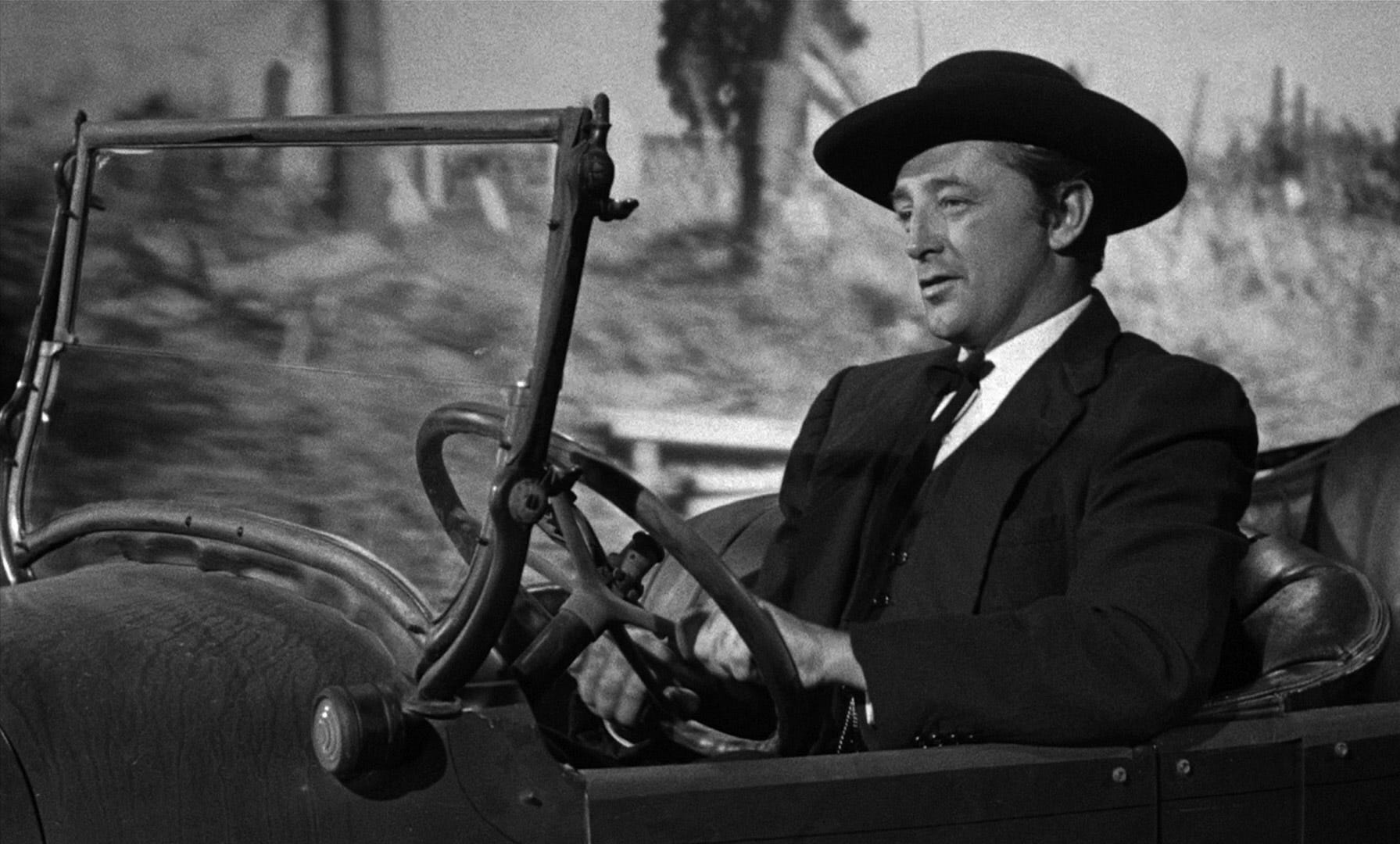
Night of the Hunter is based on a 1953 novel of the same title. The censorship negotiation for Laughton and screenwriter James Agee’s adaptation would took place in 1954, the which is the same year that Joseph Breen retired. Timeline-wise, I can’t determine if Breen had already checked out or not. In either case, it’s astounding that a movie about a preacher who serially marries and kills women got made.
What I do know is that the main point of negotiation was around Powell’s religion. The compromise with the censors involved emphasizing that he was a fraud, not an actual ordained and practicing minister. This comes through several times in often heavy-handed dialogue, to remind the audience that murder is not included in a correct interpretation of Christian ethics.
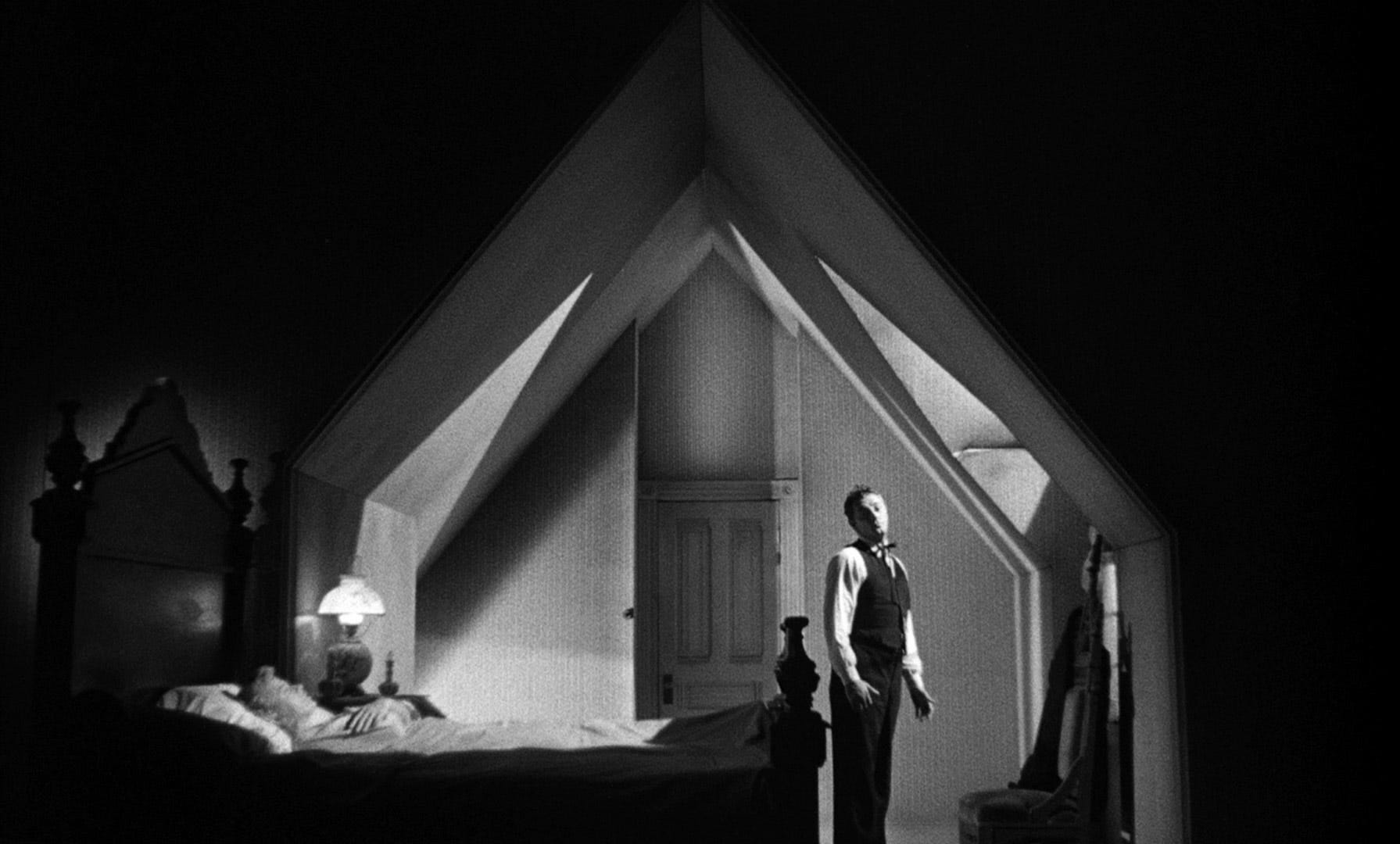
He might not be a card-carrying member of the clergy, but the film does nothing to dissuade the audience from viewing Powell as a true believer. The guy talks to God when no one else is around. Night of the Hunter is clear on its messaging: religion enables and excuses misogyny.
Mitchum’s Powell is the top billed monster, but he has a rival in the iconically named Icey Spoon, a local woman in everyone’s business. Icey barks at widowed young mother Willa about the urgent necessity of a husband, while also denying that women could actually desire men. You can and must want marriage, but you can’t and won’t want sex, which is only available to you within marriage. Confused by these contradictions, Willa marries Powell at the near-coercion of her community, with the secret hope that the union will afford her some degree of affection and intimacy.
Powell shoots down his latest wife’s desire for him as unclean and ungodly, emphasizing that sex cannot be divorced from the reproductive process. Willa has no choice but to take on her husband’s logic, joining him in the local church to spew puritanical rhetoric. It isn’t enough. In Powell’s eyes, her self-defilement ultimately warrants death.
Hollywood films almost never told women that marriage could be the source of their problems. Night of the Hunter suggested that it could kill them.
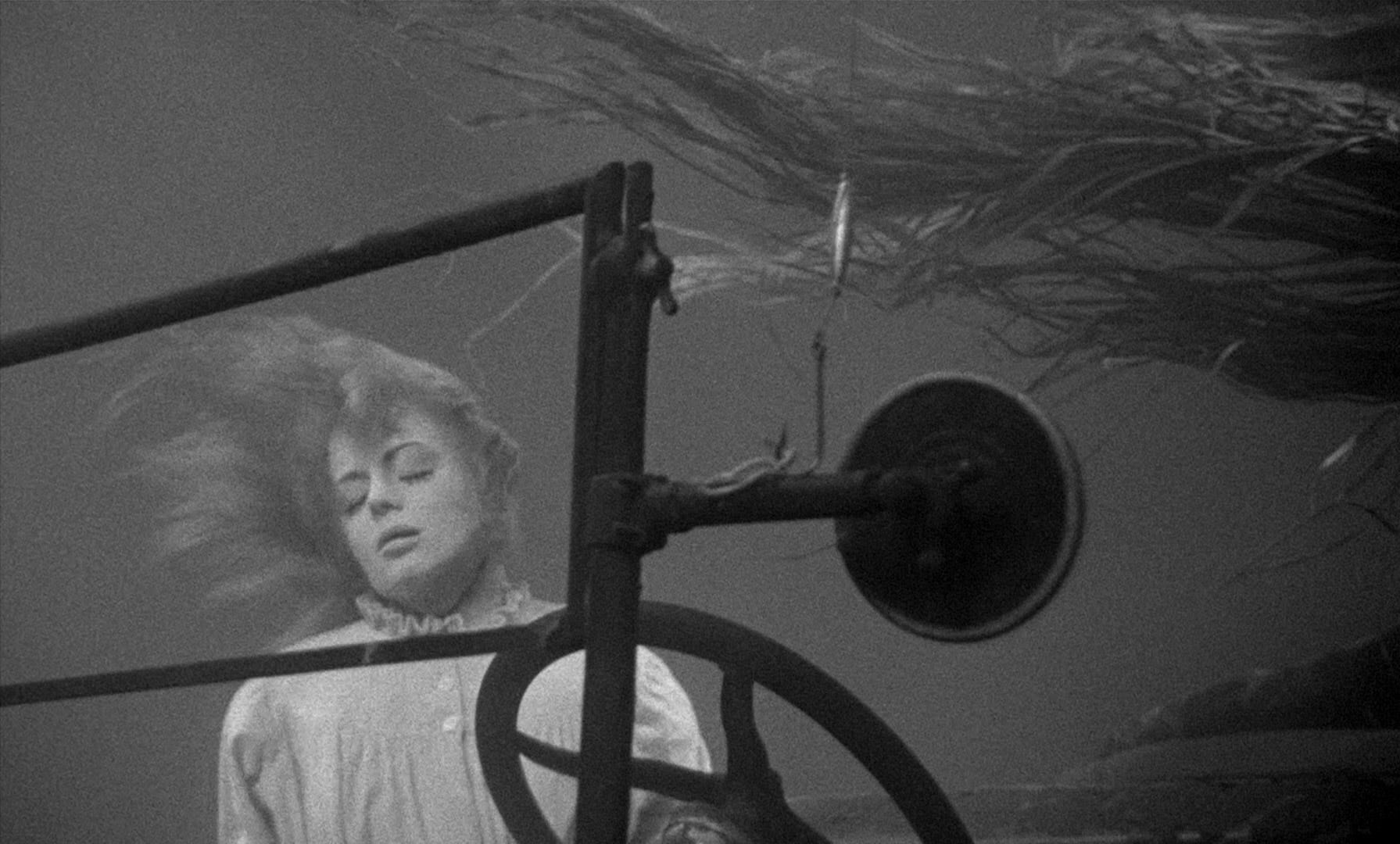
Happy, love-based marriage was the default Code-approved ending of women’s stories on screen. Alternatives to marital bliss/subjugation could be portrayed and indulged in temporarily, as long as they were finally negated by a wedding.4 Laughton and his crew provided a horror version of the loneliness-courtship-marriage sequence that made real on screen the domestic horrors endured by women watching.
The response from religious groups after Hunter’s release had an interesting denominational split. The Catholic Legion of Decency didn’t care that a Protestant minister was killing people, but condemned the film specifically for its portrayal of marriage. Protestants had a problem with the whole thing, denoting the film as morally objectionable for all audiences. The movie was considered so dangerous that it was outright banned in some cities.
Night at the Hunter failed critically and financially, sending Charles Laughton to permanent director jail: he would never make another movie.
It’s perhaps understandable that 1950s audiences didn’t know what to make of Hunter. The horror genre hadn’t yet handled the close-to-home spheres of marriage and family as a source of menace. Mitchum’s holier-than-thou monster wasn’t anything like the easily spotted villainy of Dracula or the Werewolf or the Mummy. For the first time, the wolf was in sheep’s clothing, and the call was coming from inside the house.
Sweet Smell of Success (1957)
Ernest Lehman’s novelette5 Sweet Smell of Success was untouchably radioactive IP. The story’s villain, Harry Hunsecker, was a thinly veiled Walter Winchell, NYC gossip columnist turned radio host and rabid Joseph McCarthy booster. Think the Rush Limbaugh of the fifties, but way more powerful.
At the height of Winchell’s influence, adapting the property carried the threat of actual retribution. He was known to sic his buddies in the FBI on people for personal offenses, such as trying to date his daughter. That bizarrely-motivated protectiveness of a female family member made its way into the story too, in Hunsecker’s central goal of breaking up his sister’s engagement.
For our villain, Joseph Breen, Sweet Smell of Success was an absolute non-starter. In 1949, he listed three reasons why:
1) 'the suggestion of an incestuous love between the columnist, Hunsecker and his sister, Susan'; 2) 'the use of a marijuana cigarette planted on an innocent party'; 3)'the final scene in which the girl strips herself, accuses the lead of attempted rape and (apparently) brings about his murder at the hands of her enraged brother -- which constitutes murder without any indicated punishment'6
In addition to Breen's hard no, the Red Scare made it impossible for a film with even a mildly explicit critique of a McCarthyite to get made. In 1956, post-Breen and post-blacklist, things got more doable, but a film that was basically a teardown of every major American institution (press, police, politicians) was still a very hard sell.
Burt Lancaster, noted crazy person and outspoken McCarthy hater, was just the guy to make it happen. His production company Hetch-Hill-Lancaster was riding high on a critical and commercial smash, 1955 Best Picture winner Marty. When HHL submitted the novelette to Production Code administration, they got the same “nope” elicited seven years earlier. Whatever. They went ahead with production anyway, hiring American born and Scottish raised director Alexander Mackendrick to helm the film and celebrated playwright Clifford Odets to re-write Lehman’s initial script7.
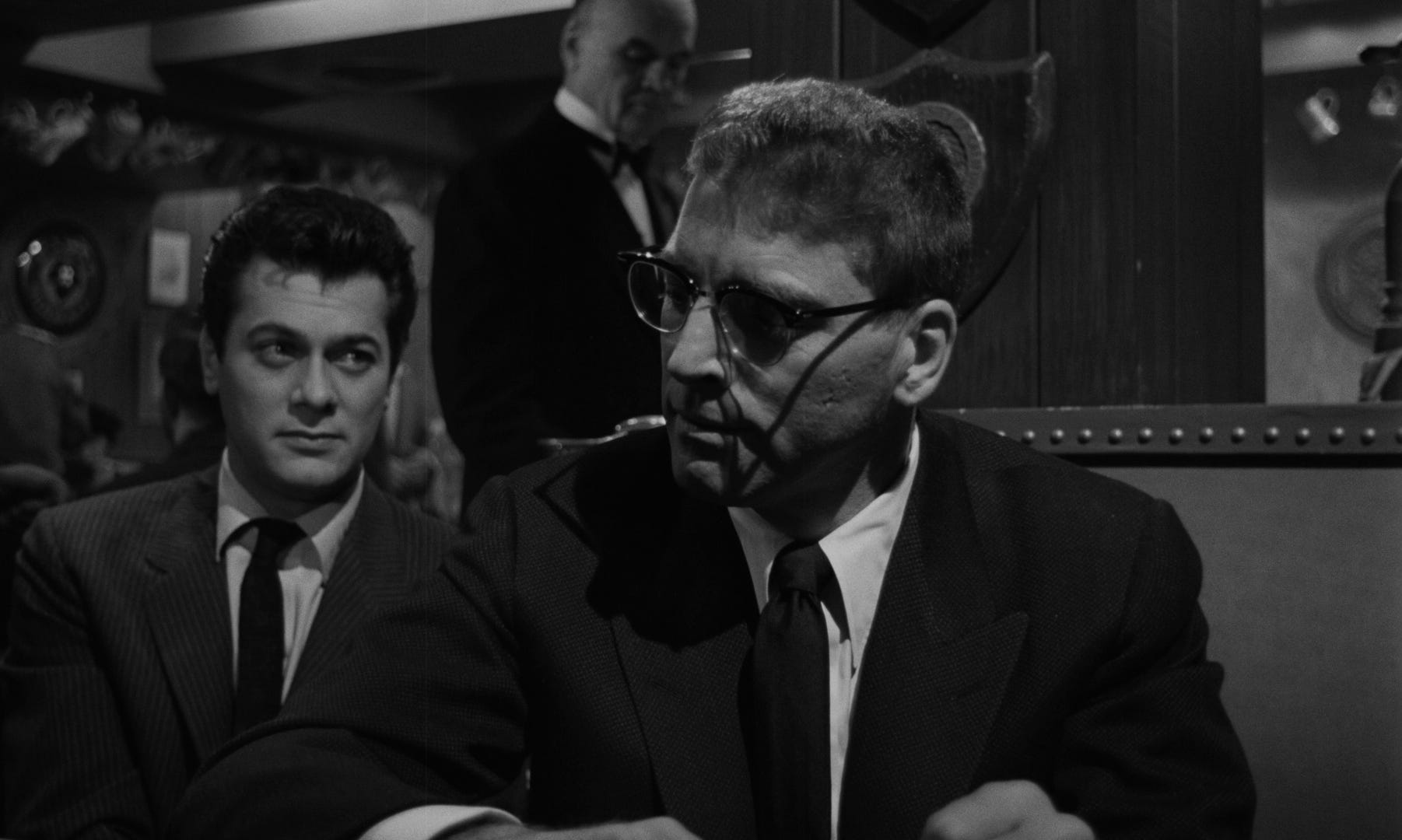
If Night of the Hunter aimed to restore the grandeur of the silent era, Sweet Smell charted a path towards cinema's modernity. Sound is used to its fullest potential. Words are bullets: the central power struggle between conniving press agent Sidney Falco (Tony Curtis) and dictatorial columnist J.J. Hunsecker8 (Lancaster) played out across tables in crowded clubs, via legendarily biting dialogue.
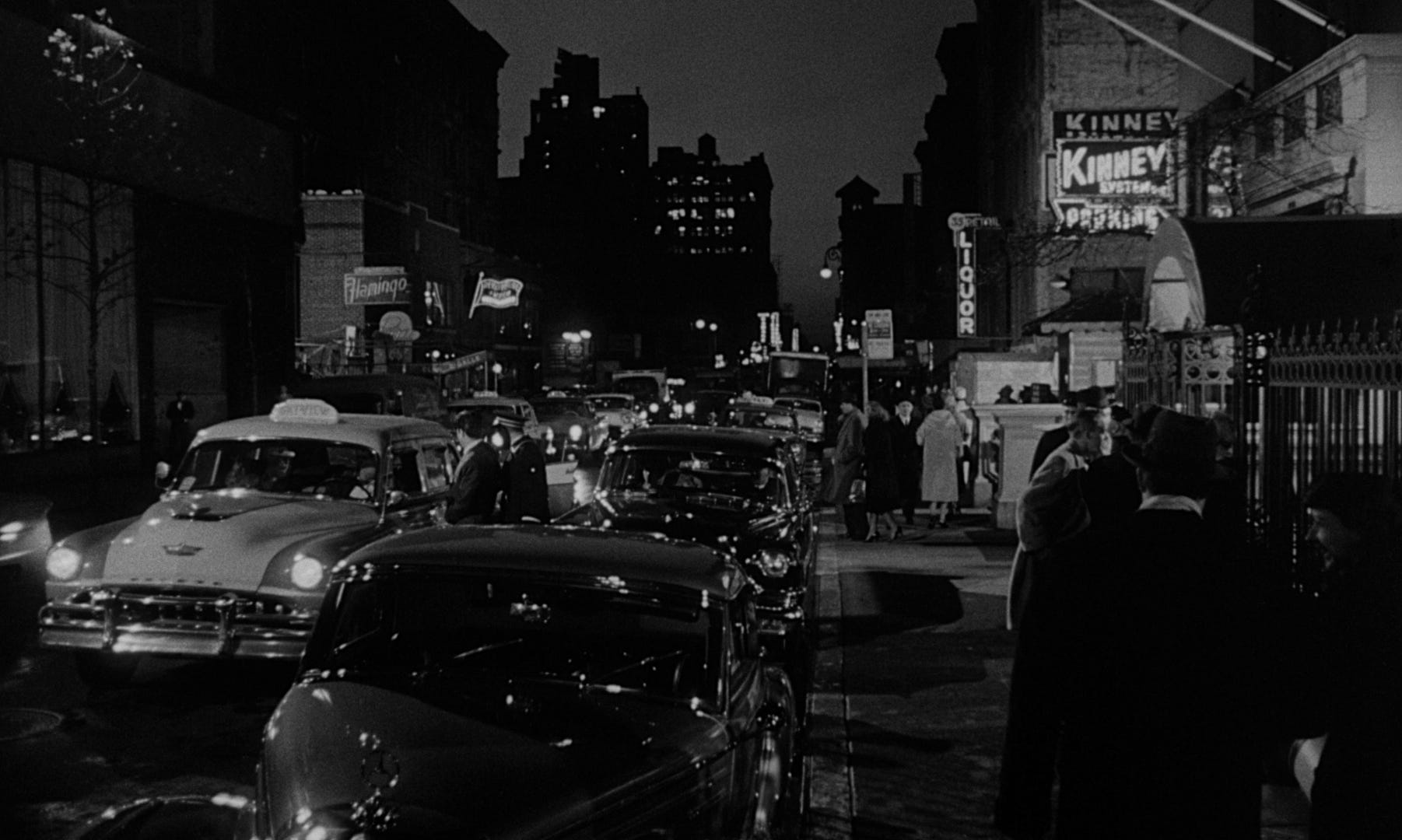
Visually, MacKendrick and cinematographer James Wong Howe brought Lehman’s story outside. To heighten the frenetic energy, they started and ended most scenes in the streets of Manhattan, one of the first ever attempts of nighttime on-location shooting in the city.
What makes Sweet Smell of Success so special to me is the wealth of information we have on the process of its creation. After his directing career, Alexander MacKendrick became a teacher. His CalArts lectures were collected posthumously into my all-time favorite book on filmmaking, titled, appropriately "On Film-Making”. MacKendrick brought some very self-effacing British energy to his intro to the film as a case study:
"It is a film I have mixed feelings about today, and I am writing about it here to illustrate some problems in the structuring of a screenplay, not because I mean to claim that it is an important work. It isn't."
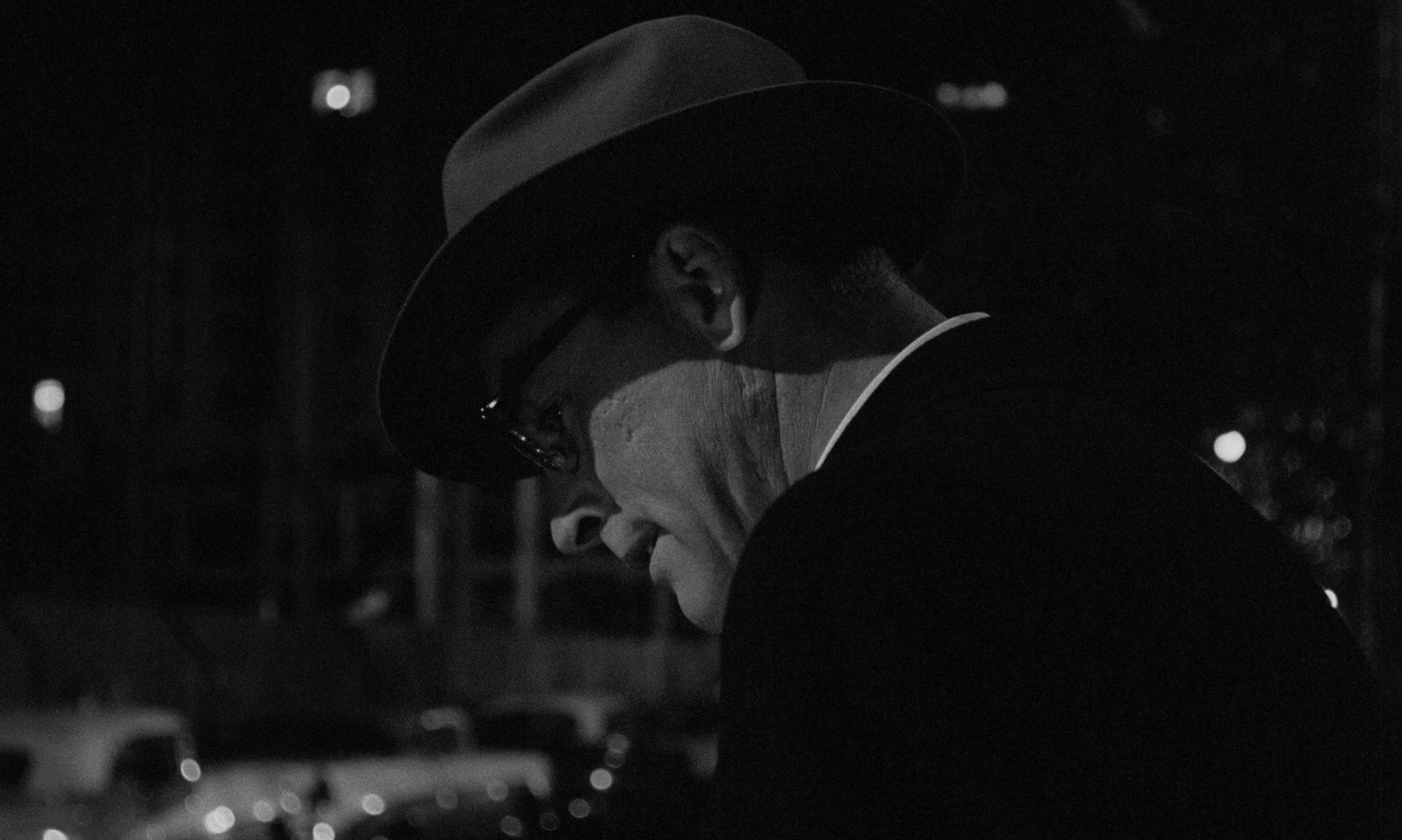
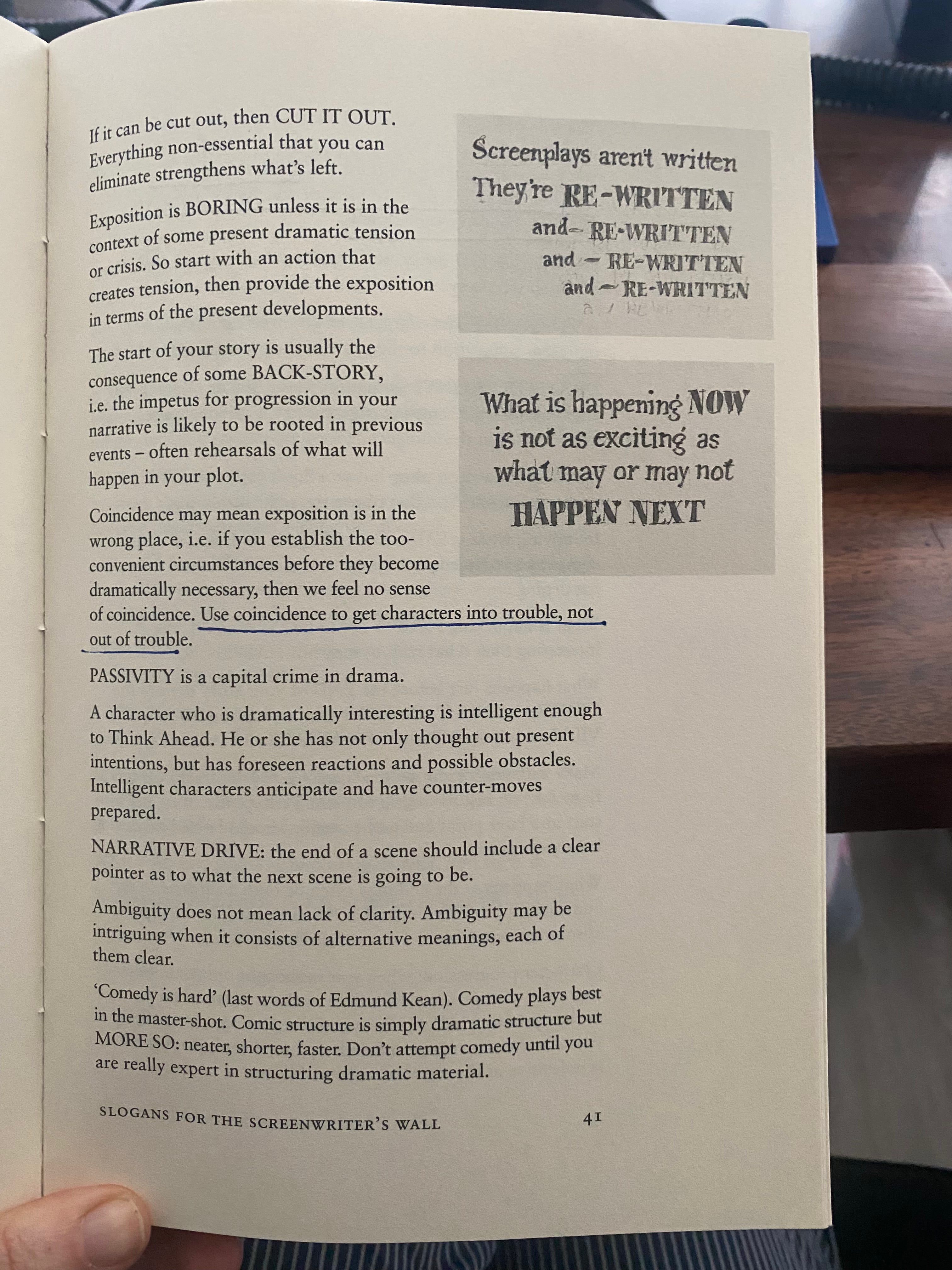
I hate to contradict the Professor, but yes it is. I can't think of a more important work on every level from its era. But maybe it's this same humility that allowed MacKendrick to be so transparent with his process in the first place. He didn't need to be the genius auteur whose creation sprung effortlessly from his special mind. He was happy to tell us how he did it: collaboration, tons of work, pushing through every just ok version of a scene to get to the final great one. In his words, re-written and re-written, and re-written and re-written.
Like Night of the Hunter, Sweet Smell was a box office flop and received no awards. Per Mackendrick, critics "resented the savagely unflattering picture that the film presented of their profession, or at least of that subsection of it.” But Sweet Smell’s influence endures in every movie about an American man willing to use the necks of others as rungs in the ladder of his ambition. Uncut Gems and Marty Supreme owe it their DNA. The 1957 moviegoing public wasn’t yet ready to inhale what American success actually smelled like.
Soundtrack
It’s also worth noting that Breen was openly and actively anti-Semitic, working with Nazi representatives to Hollywood pre-war, and reluctant to portray Nazis in a negative light for fear of offending his German colleagues.
Credit to friend of the publication Samantha for making this point to me.
Does anyone know what the difference between a novelette and a novella is? Not a quiz, someone please tell me!
This quote and most of my background info for the film’s production are sourced from the excellent BFI monograph by James Naremore.
Lehman actually dropped out after initially being asked to direct because being involved in the project was so stressful it was literally making him sick. His doctors sent him to Tahiti.
Renamed from Harry for the movie.